

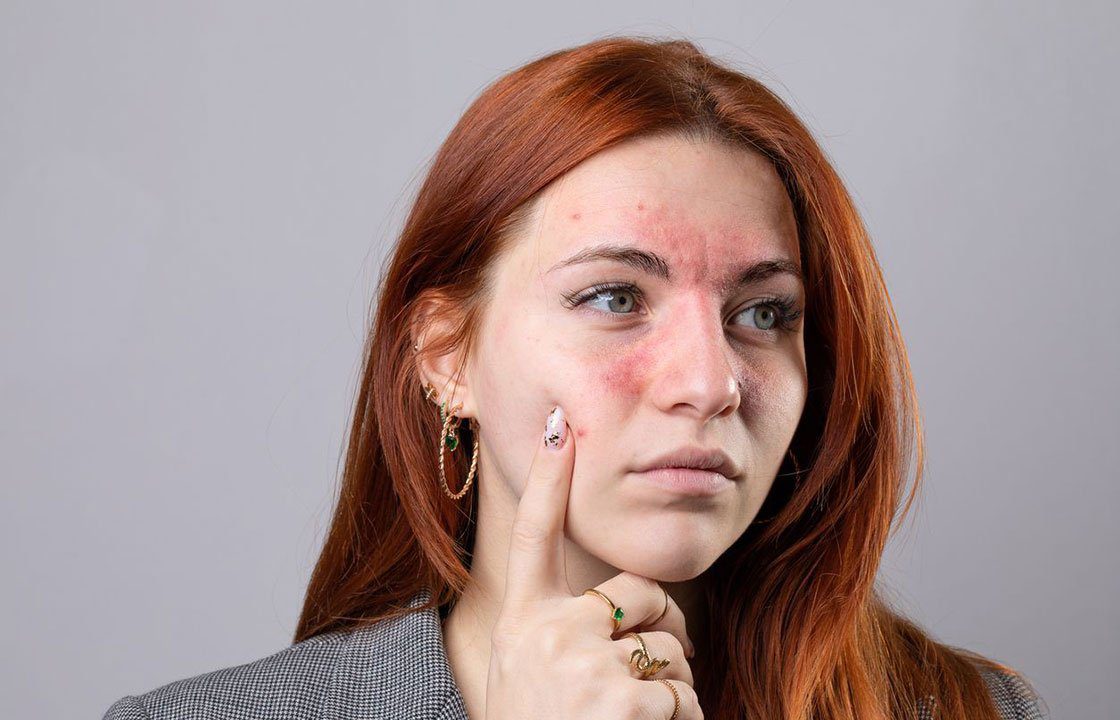
Rosacea is a common yet often misunderstood skin condition that affects the face. If you’ve noticed persistent redness, flushing, visible facial veins, or acne-like breakouts that don’t respond to typical treatments, rosacea may be the underlying cause.
At Geelong & Surfcoast Skin, we frequently assess patients with vascular skin concerns, including rosacea. Accurate diagnosis is important, as this condition can mimic other skin disorders and requires a structured approach to management.
What is Rosacea?
Rosacea is a chronic inflammatory skin condition that primarily affects the central face. It involves a combination of vascular dysfunction, immune system activation, and impairment of the skin barrier. These processes contribute to ongoing redness, inflammation, and skin sensitivity.
Rather than being a temporary issue, rosacea follows a relapsing and remitting course. Many patients experience periods of flare followed by relative stability, with symptoms often evolving over time if not appropriately managed.
What Causes Rosacea?
There is often a genetic predisposition to rosacea, combined with environmental and lifestyle influences. Ultraviolet exposure plays a significant role, alongside common triggers such as heat, temperature changes, alcohol, spicy foods, stress, and hormonal fluctuations.
Underlying these triggers is a genetic predisposition to increased sensitivity of the skin’s vascular and immune systems. This leads to exaggerated flushing responses, inflammation, and disruption of normal skin barrier function.
Symptoms of Rosacea
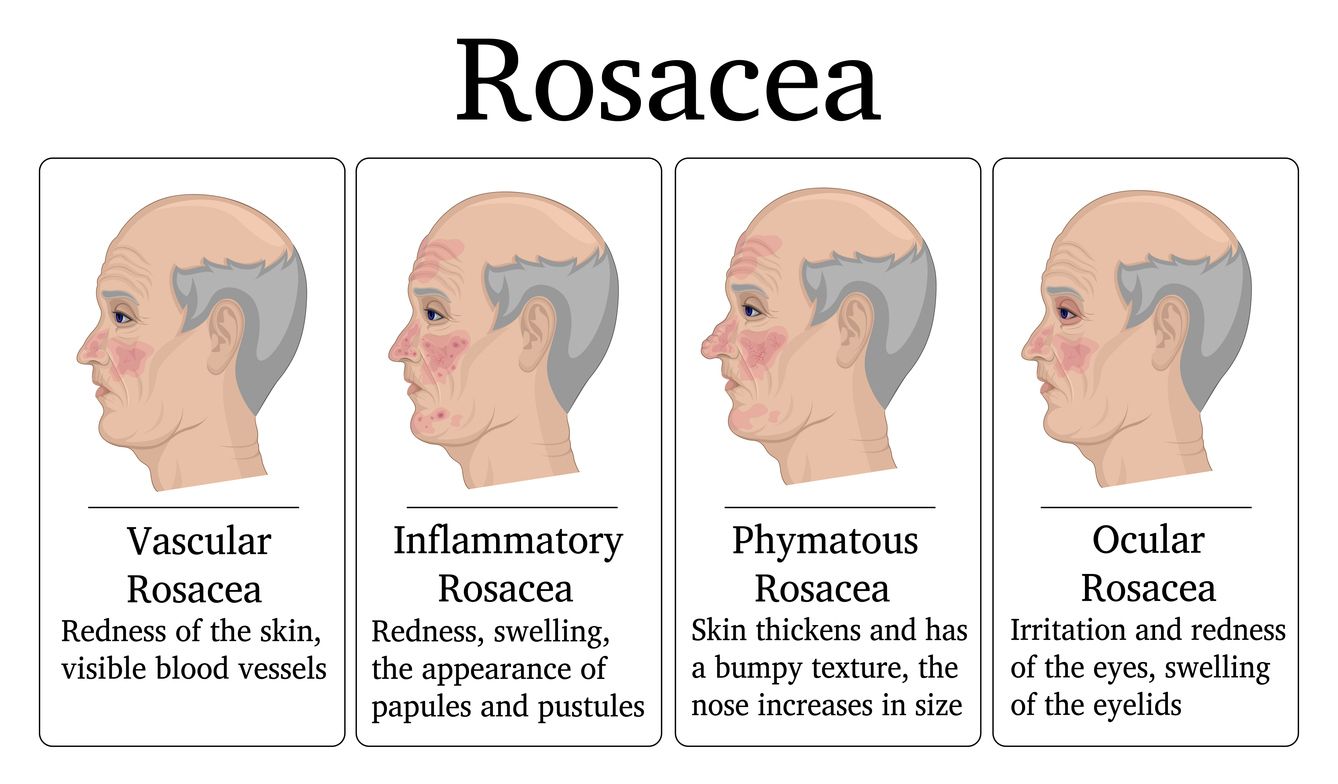
Rosacea can present in several ways, and symptoms may vary between individuals. The most common feature is persistent facial redness, typically affecting the cheeks, nose, chin, and forehead. Many patients also experience episodes of flushing or blushing, which may initially come and go but can become more constant over time.
Visible blood vessels, often described as broken capillaries or facial veins, are another key feature. In some cases, inflammatory lesions develop, appearing as red bumps or pustules that resemble acne but occur without blackheads.
The skin itself is often sensitive and reactive, with patients describing burning, stinging, or irritation in response to skincare products or environmental factors. Changes in skin texture, including enlarged pores or thickening, may occur in more advanced cases.
Ocular rosacea is a form of rosacea that affects the eyes which can occur in up to 40% of people with rosacea. It may cause dryness, irritation, redness, watering, a gritty sensation and light sensitivity. As it can be under-recognised, we routinely screen for eye symptoms and, where required, work collaboratively with Dr Leigh Plowman from Geelong Eye Health to support management alongside your skin treatment plan.

Why Diagnosis Matters
A defining feature of rosacea is its tendency to flare in response to specific triggers. Sun exposure is one of the most significant contributors, but many patients also notice worsening with heat, hot drinks, alcohol, spicy foods, and stress.
Recognising individual triggers can help patients better understand their condition and identify patterns in symptom flare-ups over time.
A Chronic but Manageable Condition
Rosacea is a long-term condition, but with early recognition and appropriate management, symptoms can be effectively controlled. Understanding the condition and its triggers is the first step toward improving skin stability and reducing the frequency and severity of flare-ups.
If you are experiencing persistent redness, flushing, visible facial veins, or sensitive skin, seeking medical assessment can help clarify the diagnosis and guide appropriate care.
At Geelong & Surfcoast Skin, we combine medical expertise with laser treatments using the Cutera Excel V+ laser delivered by our dermal clinician to provide a considered, coordinated approach to managing rosacea. This is supported by a collaborative partnership with a specialised optometrist, forming a comprehensive, team-based approach to care.
Book a consultation with our dermal clinician and take the first step towards managing your rosacea. With the right support, rosacea can be controlled—and your skin (and eyes) can feel stronger, clearer, and calmer.