Author: GOOP Administrator

Azelaic Acid: The Low-Key Hero Your Rosacea Skin Needs

It has been quietly outperforming the competition for decades. Here’s why it’s rated so highly by our team at Geelong and Surf Coast Skin, in collaboration with Geelong and Surfcoast Veins


It’s Made From Grain. Yes, Really.

Azelaic acid is a naturally occurring acid that is found in wheat, rye, and barley. Over decades of research, it was concentrated into a cream, gel, or foam formulation — and found to be remarkably effective at calming rosacea-prone skin.

No gimmicks. No complex routine required. It’s simply a well-researched ingredient that has been shown to consistently deliver results. A full overview of azelaic acid as a topical treatment can be found on DermNet NZ.


Why Rosacea Is Tricky to Treat

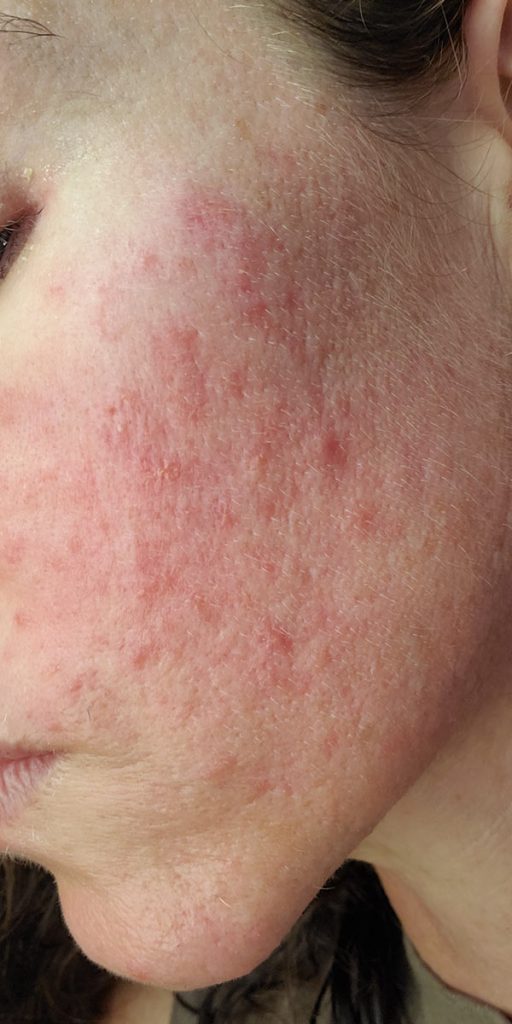
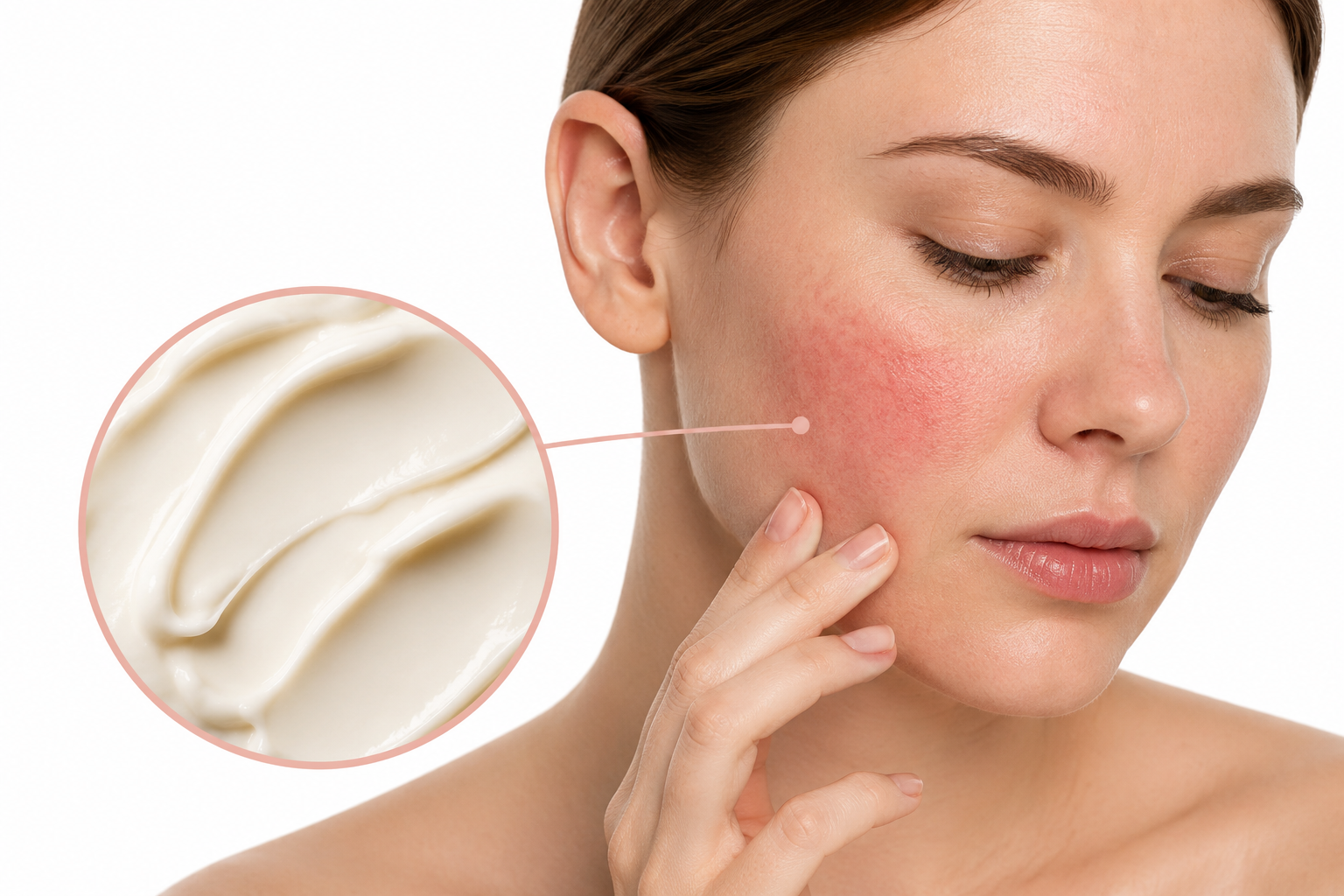
Rosacea isn’t just “a bit red.” It is a chronic skin condition driven by real inflammation beneath the surface — which is why it can’t simply be covered with makeup, and why so many products that claim to calm it are found to fall short.

What rosacea actually requires is something that works on its underlying causes: overactive inflammatory pathways, bacteria, and reactive skin cells that are all understood to contribute to persistent redness, bumps, and sensitivity. A detailed explanation of what rosacea involves at a skin level has been put together by DermNet NZ.

Here on the Surf Coast and in Geelong, rosacea is commonly seen to be triggered and aggravated year-round — by summer UV and heat, cold coastal winds in winter, and everything in between. At Geelong and Surfcoast Skin and Cosmetics rosacea is one of the conditions most frequently assessed and managed by our skin team.


What Azelaic Acid Does Differently

Most rosacea treatments are designed to target one thing. Azelaic acid has been shown to work across several simultaneously:

  • Inflammation is dialled down at a cellular level — specifically along the pathways most commonly found to be overactive in rosacea-prone skin
  • Papules and pustules are cleared through normalisation of the skin cells lining the pores
  • Problem-causing bacteria are targeted to reduce the frequency and severity of breakouts
  • Free radicals are neutralised, helping to reduce the ongoing redness and skin damage associated with rosacea over time

It isn’t the flashiest ingredient available. It just quietly does a lot.


What the Research Actually Shows

In a 2023 review of 20 clinical trials, azelaic acid was confirmed to significantly reduce redness, inflammatory lesions, and overall rosacea severity. When compared head-to-head against metronidazole — long considered the topical gold standard for rosacea — azelaic acid was found to perform better across multiple measures.

Nearly half of patients enrolled in clinical studies were found to report moderate to significant improvement at 12 weeks. In some cases, improvement was found to continue even after treatment had been stopped.

Further detail about how rosacea is managed at our clinic is available on our skin treatments page.


How It’s Used

In Australia, azelaic acid is available on prescription or over the counter

  • A thin layer is applied to the whole face — morning and evening
  • Early improvements are typically noticed from around week 4–6, with meaningful results seen by week 12
  • Unlike retinoids or AHAs, photosensitivity is not increased — an important consideration for anyone spending time outdoors along the coast

Further reading on how azelaic acid is applied and what to expect from treatment has been made available by DermNet NZ.


Safety and Suitability

An excellent tolerability record has been established for azelaic acid over decades of use. A little mild tingling when treatment is first started is considered normal and is generally found to settle within a week or two.

It is also one of the very few prescription skincare actives considered safe during pregnancy — making it a valuable option when many other treatments are not appropriate.

For those with medium to deeper skin tones there is a small possibility of pigmentation changes and worth monitoring.


Is It Right for You?

Rosacea is experienced differently from person to person — and the most effective treatment plan is always one that has been tailored to your skin, your triggers, and your lifestyle.

If you are experiencing persistent facial redness, bumps, or reactive skin, an assessment with one of our doctors is recommended as a first step. A personalised approach to rosacea management is offered at Geelong and Surf Coast Skin, with treatments selected based on what is most likely to make a real and lasting difference for your skin.

Demodex Mites and Your Skin: Understanding the link with Rosacea

Demodex mites are microscopic organisms that naturally live on human skin. In most people, they cause no symptoms at all. However, when Demodex populations increase, irritation and inflammation may develop. This process has been associated with rosacea, facial redness and some inflammatory skin conditions. 

These mites are commonly found around the cheeks, nose, forehead, eyelashes and eyebrows. They live within hair follicles and sebaceous glands, where skin oils are present. 

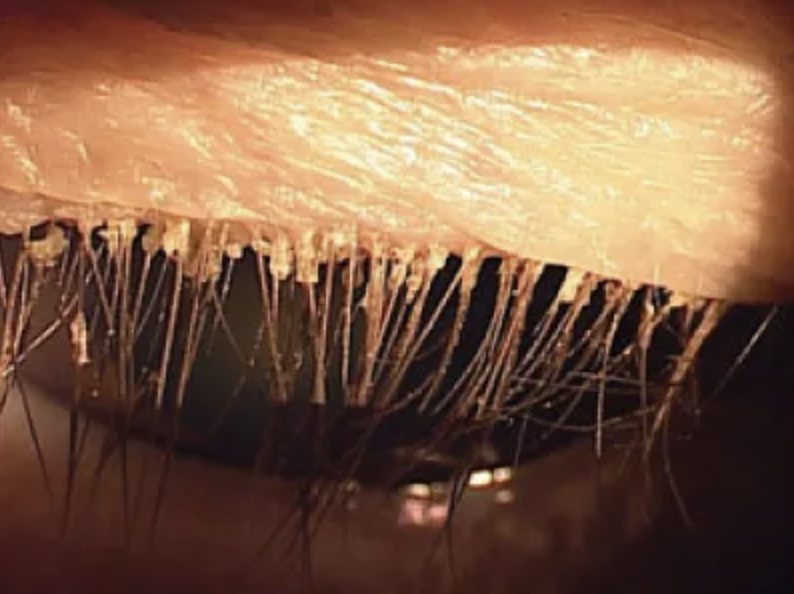
Demodex mites in eyelashes

What Are Demodex Mites?

Two types of Demodex mites are usually found on humans:

  • Demodex folliculorum
  • Demodex brevis

Most adults carry these mites naturally. Their presence alone does not mean disease is present. Problems may occur when the skin barrier becomes disrupted or inflammation develops. 

Research has suggested that higher numbers of Demodex mites are found in people with rosacea compared with unaffected skin. 

Symptoms That May Be Associated With Demodex

Skin symptoms linked to Demodex overgrowth can include:

  • Persistent facial redness
  • Flushing
  • Burning or stinging skin
  • Acne-like bumps
  • Rough or dry skin texture
  • Itching
  • Sensitive skin
  • Eyelid irritation or crusting

Symptoms are often worse on the central face. The cheeks and nose are commonly affected. 

Some people also develop irritation around the eyes. Demodex mites within eyelash follicles may contribute to inflammation in ocular rosacea and blepharitis. 

The Link Between Demodex and Rosacea

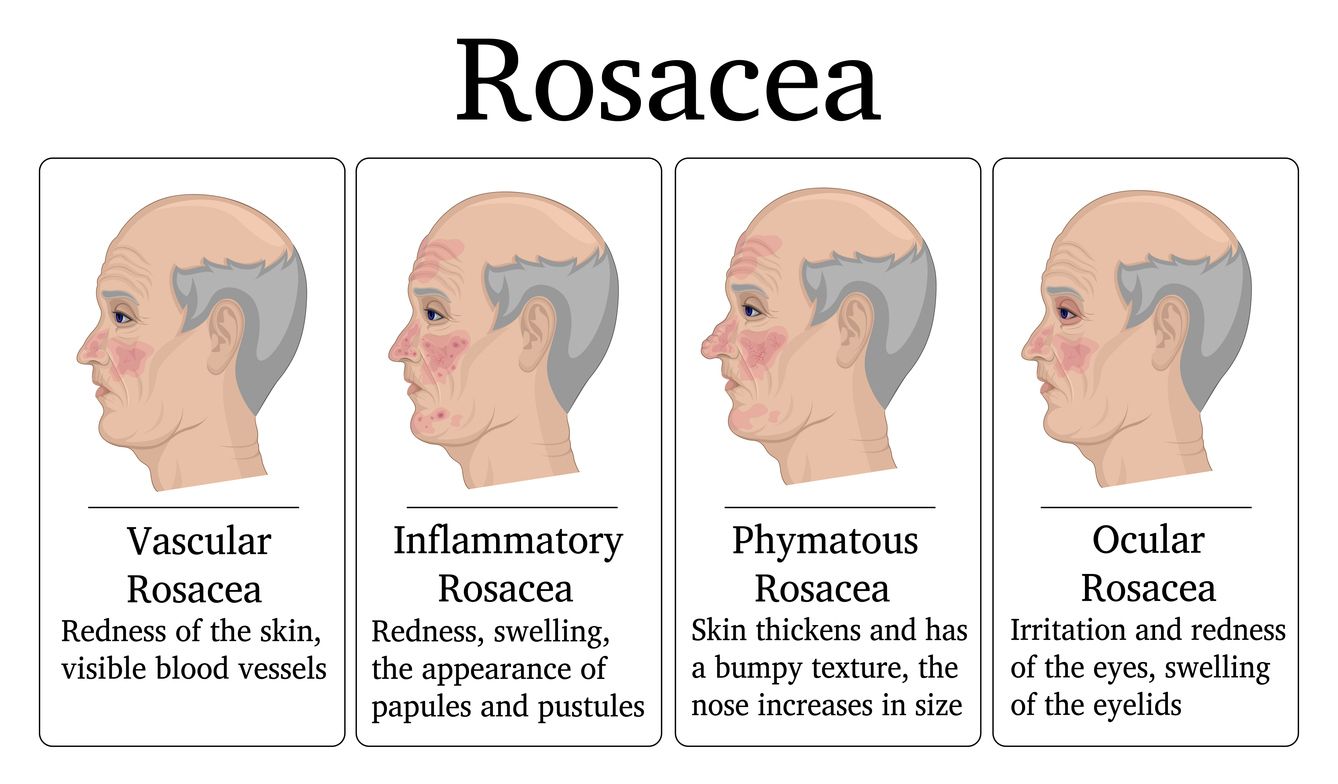
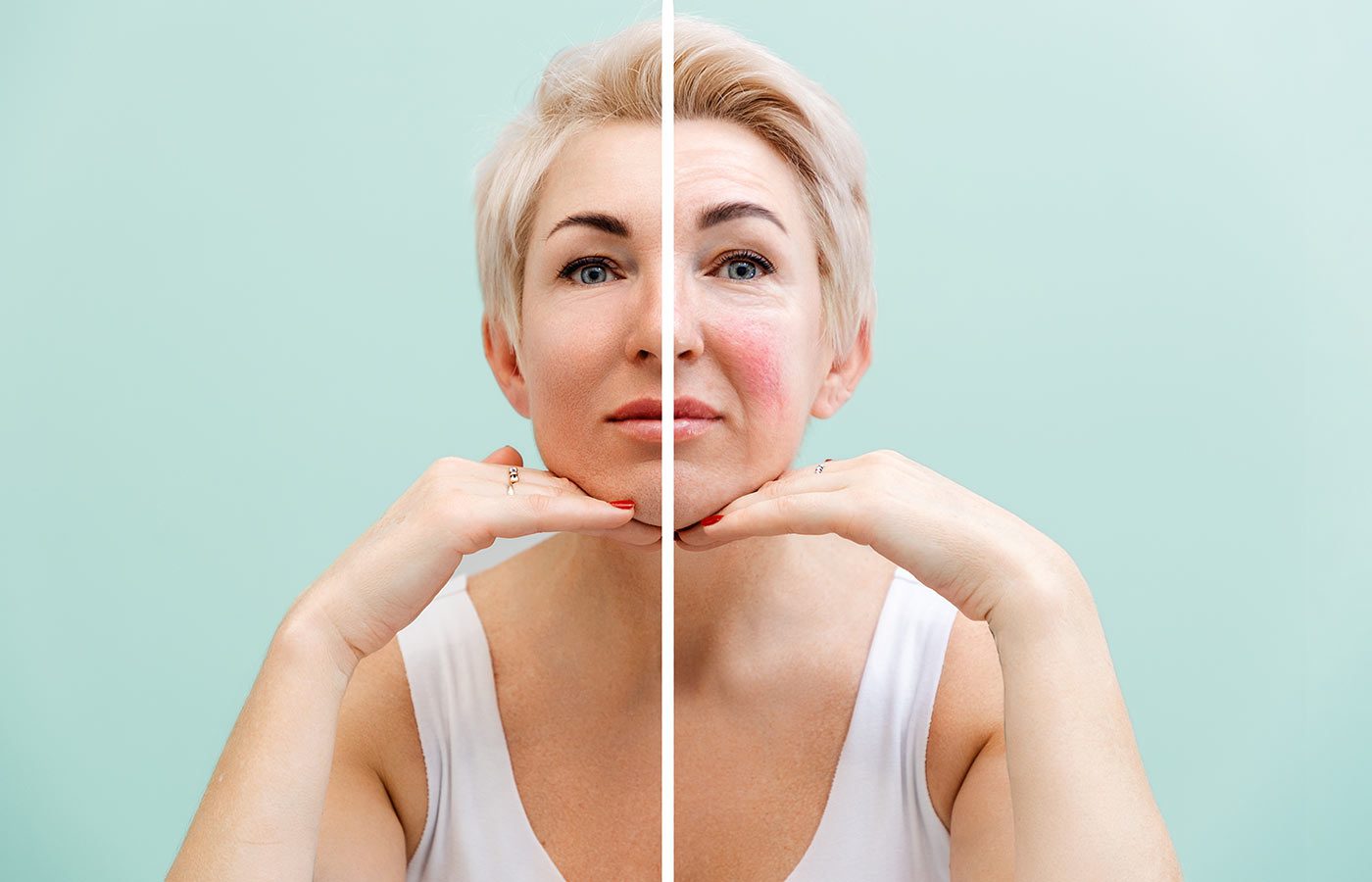
Rosacea is a chronic inflammatory skin condition characterised by facial redness, flushing and visible blood vessels. Papules and pustules may also occur. 

The exact cause of rosacea remains complex. Genetics, vascular sensitivity, inflammation, immune responses and environmental triggers are all thought to contribute. 

Demodex mites are increasingly recognised as one possible contributing factor. Studies have demonstrated significantly increased mite density in patients with rosacea. 

A growing body of evidence suggests that mites, along with bacteria associated with them, may trigger inflammatory pathways in susceptible skin. 

For more information about rosacea symptoms and treatment approaches, visit our Rosacea and Facial Redness Treatments. DermNet Rosacea Overview

How Demodex-Related Skin Problems Are Diagnosed

Diagnosis is usually made through clinical assessment. The appearance and pattern of symptoms are often evaluated carefully.

Your practitioner may assess:

  • Redness patterns
  • Flushing triggers
  • Skin sensitivity
  • Acne-like eruptions
  • Eyelid inflammation
  • Previous treatment response

Microscopic testing may occasionally be performed, although this is not always necessary. 

Treatment Approaches

Management depends on the severity of inflammation and the underlying skin condition. A combination approach is often required.

Medical Treatments

Prescription therapies may sometimes be used to reduce inflammation and control mite overgrowth. Certain topical and oral medications have demonstrated benefit in inflammatory demodicosis and rosacea-associated Demodex proliferation. 

Laser and Light-Based Treatments

Persistent redness and visible blood vessels may continue even when inflammation improves.

At Geelong & Surfcoast Skin, vascular laser treatments are used to target redness, flushing and facial vessels associated with rosacea-prone skin.

Learn more about our Excel V+ Laser Treatments.

Supporting the Skin Barrier

Over-cleansing, exfoliation and harsh skincare can aggravate already inflamed skin. Gentle skincare and barrier support are usually recommended.

Simple skincare routines are often better tolerated by sensitive skin.

You may also find our guide to Sensitive Skin Treatments helpful.

When Should You Seek Assessment?

Ongoing redness, irritation or sensitive skin should not simply be ignored. Rosacea and Demodex-related inflammation can become more persistent over time.

Assessment may help identify contributing factors and guide appropriate management.

For evidence-based information about Demodex and rosacea, visit:

Managing Vascular and Menopausal Skin in Summer

Menopause and skin changes

As we enter the warmer months, many women notice that their skin feels different—especially during menopause. Hot flushes, increased redness, sudden flare-ups of rosacea, or skin that feels more sensitive than usual can all become more noticeable in summer.

At Geelong & Surfcoast Skin, we understand how hormonal shifts and seasonal changes affect your skin and can work with you to manage and strengthen your skin while restoring your confidence. 

Why does menopausal skin flush and flare?

Menopause brings significant hormonal changes which affect the skin’s barrier, oil flow, and vascular system, leading to:

  • Increased redness and flushing
  • Visible blood vessels (vascular changes)
  • Rosacea flare-ups
  • Heightened sensitivity and reactivity

When combined with heat, humidity, and UV exposure, summer can exacerbate these symptoms, causing the skin to feel uncomfortable and unpredictable.

What are your triggers?

Not every woman’s skin reacts the same way. Common triggers include:

  • Hot weather and humidity
  • Alcohol and spicy foods
  • Stress and poor sleep
  • Sun exposure
  • Active skincare (serums, vitamins, exfoliants)

Part of managing vascular menopausal skin is learning what triggers a flare-up. Sometimes, keeping a “skin diary” can help you identify and minimise the triggers exacerbating vascular and sensitive skin.

When to dial back your actives?

Active ingredients like retinol or exfoliating acids can be beneficial for skin renewal and anti-ageing, but in times of sensitivity, they can do more harm than good. If you’re experiencing increased redness or flushing in summer, you may need to pop the actives to the side for a while.

Instead, focus on calm and repair:

  • Ceramides to strengthen the barrier
  • Vitamin B (niacinamide) to calm inflammation and reduce redness
  • Gel/cream moisturiser to cool, smooth and hydrate
  • Broad-spectrum zinc-based sunscreen to protect and reduce inflammation 

When your skin is looking and feeling better, actives can often be reintroduced slowly.

Treatments that nurture and hydrate

For vascular, menopausal, or rosacea-prone skin, the focus should always be on restoring balance before correction. Our most effective summer-friendly treatments include:

  • LED Light Therapy: Reduces inflammation, strengthens the barrier, and calms redness.
  • Restorative Medi-Facials: Gentle treatments designed to hydrate, cool, and strengthen fragile skin.
  • Chemical Peels (gentle, customised): When appropriate, can refine texture, improve tone, and accelerate the infusion of hydrators.
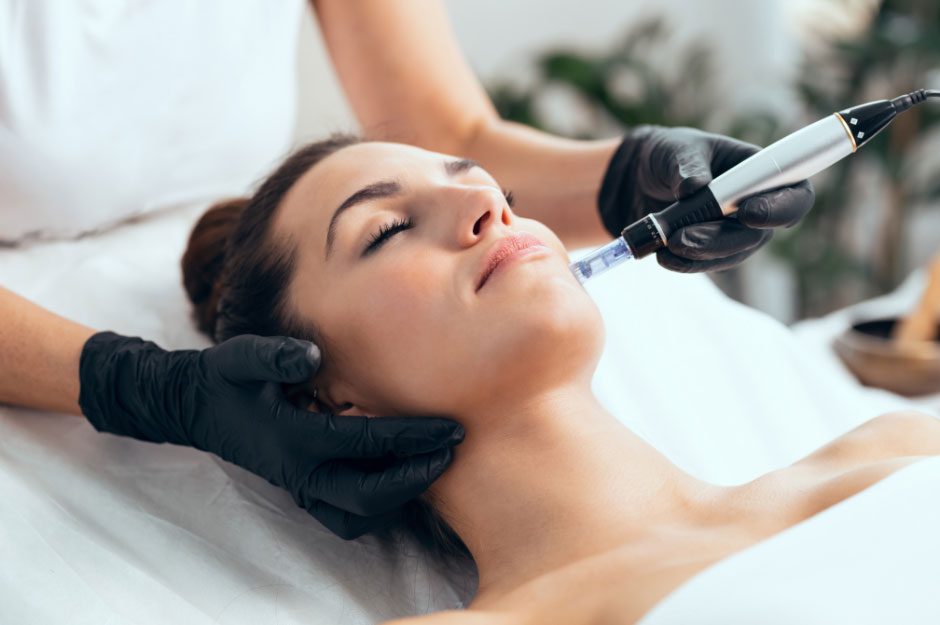
  • Skin Needling: Strengthens and rejuvenates the skin.

These treatments are always tailored to your skin’s presentation and tolerance, ensuring we never overload or inflame already sensitive skin.

Skincare in the humidity

Summer humidity can change how products sit and feel on the skin. Rich creams that work well in winter may feel heavy or sticky in summer, whereas lightweight gels or serums may provide better support for hydration without causing congestion.

A professional skin review ensures your products are tailored to your current needs—supporting the skin barrier, calming reactivity, and protecting against environmental stressors.

When medical management is needed

Sometimes, your skin requires more than skincare and in-clinic treatments. For persistent flushing, significant rosacea, or vascular changes, medical management may be recommended in conjunction with dermal therapies. Your doctor and dermal clinician will work together to tailor a plan that restores your skin.

Some key takeaways:

  • Menopausal skin is prone to redness, flushing, and rosacea—especially in summer.
  • Understanding your triggers and knowing when to scale back actives is essential.
  • Treatments that nurture and hydrate—like LED and restorative facials are best.
  • Skincare should adapt seasonally, especially in humidity.
  • In more persistent cases, a combination of medical management and dermal therapy provides the best outcomes.

Book your skin health review

If your skin is feeling more reactive, red, or uncomfortable as the weather warms, its time for a skin health review. At Geelong & Surfcoast Skin, our doctor-led team works closely with our dermal clinician and cosmetic nurse to provide safe, evidence-based care for hormonally influenced and vascular skin.

We’ll help you identify your triggers, refine your skincare routine, and introduce treatments that calm, strengthen, and restore confidence in your skin.

Book your consultation today, and step into summer with calm, healthy skin you can feel confident in.

Collagen Stimulation: The Natural Path to Skin Rejuvenation

Collagen Stimulation

At Geelong & Surfcoast Skin, collagen stimulation has become one of our most sought-after anti-ageing and skin rejuvenation treatments. But what exactly is collagen stimulation, and why is it considered one of the most natural approaches to restoring youthful, healthy-looking skin?

What Is Collagen and Why Does It Decline?

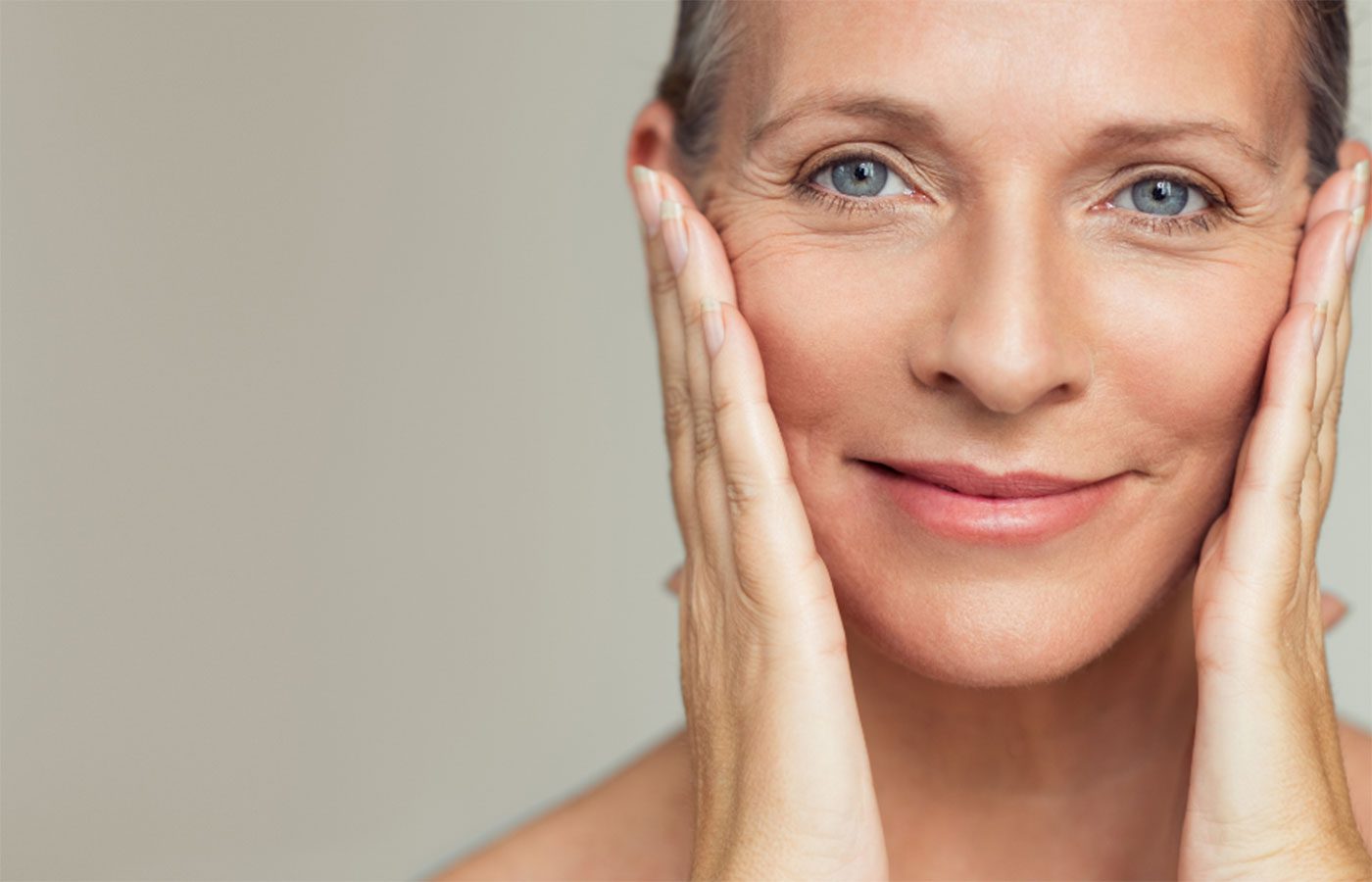
Collagen is the skin’s natural scaffolding, providing structure, firmness, and elasticity. Alongside elastin, it’s responsible for keeping skin smooth, plump, and resilient. From your mid-20s, collagen and elastin production gradually decline, leading to fine lines, sagging, and a visible loss of volume.

This is where collagen stimulation comes in — a modern treatment that encourages your skin to rebuild its own support network from within.

What Are Collagen Stimulators?

Collagen stimulators are advanced treatments designed to restore lost facial volume and improve overall skin quality. Unlike traditional dermal fillers that simply add volume, collagen stimulators trigger your body’s own collagen and elastin production. The result? A softer, more natural-looking rejuvenation that develops gradually over time.

At Geelong & Surfcoast Skin, we use several proven methods to stimulate collagen, including:

  • Skin needling – creating micro-channels that trigger natural healing and collagen repair.
  • Platelet Rich Plasma (PRP) – using your body’s own enzymes and growth factors to boost regeneration.
  • Bio-stimulating products – specifically designed to encourage long-term collagen rebuilding.

Because these treatments work with your body’s natural processes, results appear gradually, helping you achieve a refreshed look without the “overdone” effect.

Key Benefits of Collagen Stimulation

  • Long-lasting results – Once rebuilt, collagen can maintain improvements for 2+ years.
  • Natural enhancement – Subtle, gradual changes that look refreshed, not artificial.
  • Improved skin texture – Smoother, firmer, and more radiant skin quality.
  • Versatile treatment areas – Effective for cheeks, temples, jawline, neck, and décolletage.

What to Expect from Treatment

Every treatment at Geelong & Surfcoast Skin begins with a personalised consultation with our experienced medical team. We’ll create a tailored plan based on your unique concerns and goals.

Collagen stimulator treatments are usually delivered over a series of sessions to ensure the most natural, durable results. While some mild swelling or bruising can occur, downtime is typically minimal, allowing you to return to your normal activities quickly.

Who Is a Good Candidate?

Collagen stimulation treatments are ideal for men and women noticing early to moderate signs of ageing who want a natural refresh without surgery. They’re also a great option for those who prefer discreet, gradual improvements instead of instant but temporary changes.

Why Choose Geelong & Surfcoast Skin?

At Geelong & Surfcoast Skin, we combine medical expertise with a caring, patient-focused approach. Our goal is not to change your appearance, but to enhance your natural features and help you feel more confident in your skin.

We pride ourselves on delivering safe, evidence-based treatments tailored to your individual needs — so you can enjoy results that look and feel beautifully natural.

Book Your Consultation Today

If you’re ready to discover the benefits of collagen stimulation, our team at Geelong & Surfcoast Skin is here to guide you. Book your personalised consultation today and take the first step toward smoother, firmer, and more radiant skin.

Understanding Rosacea: Causes & Symptoms

Understanding Rosacea

Rosacea is a common yet often misunderstood skin condition that affects the face. If you’ve noticed persistent redness, flushing, visible facial veins, or acne-like breakouts that don’t respond to typical treatments, rosacea may be the underlying cause.

At Geelong & Surfcoast Skin, we frequently assess patients with vascular skin concerns, including rosacea. Accurate diagnosis is important, as this condition can mimic other skin disorders and requires a structured approach to management.

What is Rosacea?

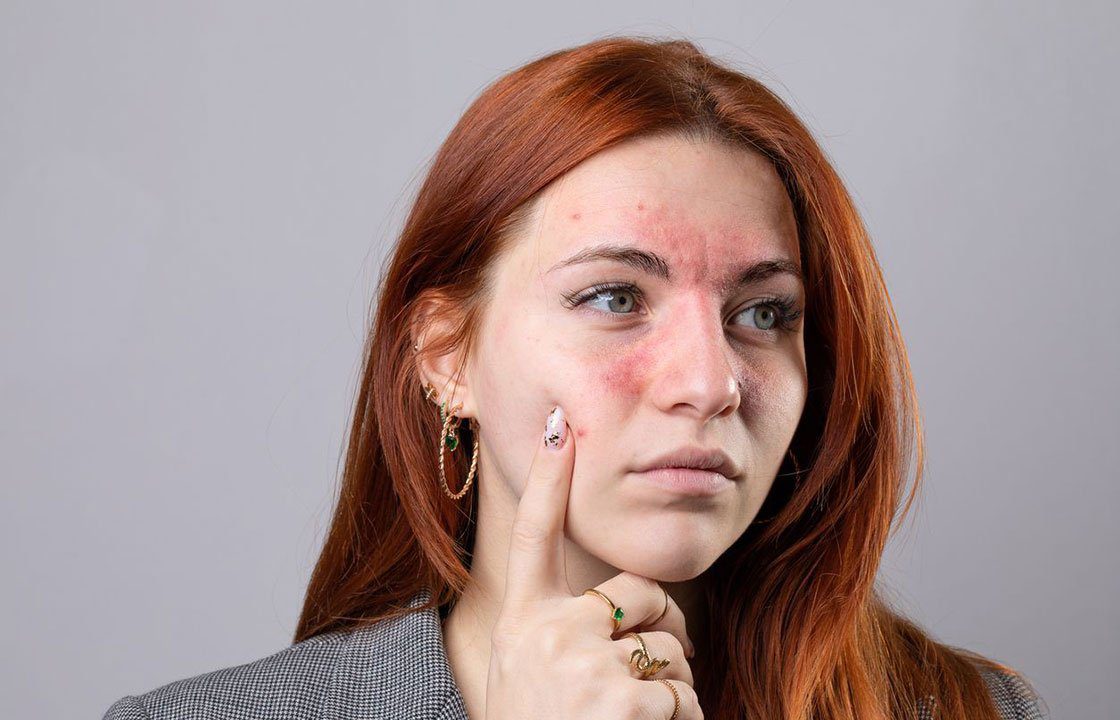
Rosacea is a chronic inflammatory skin condition that primarily affects the central face. It involves a combination of vascular dysfunction, immune system activation, and impairment of the skin barrier. These processes contribute to ongoing redness, inflammation, and skin sensitivity.

Rather than being a temporary issue, rosacea follows a relapsing and remitting course. Many patients experience periods of flare followed by relative stability, with symptoms often evolving over time if not appropriately managed.

Rosacea treatment Geelong

What Causes Rosacea?

There is often a genetic predisposition to rosacea, combined with environmental and lifestyle influences. Ultraviolet exposure plays a significant role, alongside common triggers such as heat, temperature changes, alcohol, spicy foods, stress, and hormonal fluctuations.

Underlying these triggers is a genetic predisposition to increased sensitivity of the skin’s vascular and immune systems. This leads to exaggerated flushing responses, inflammation, and disruption of normal skin barrier function.

Symptoms of Rosacea

Rosacea can present in several ways, and symptoms may vary between individuals. The most common feature is persistent facial redness, typically affecting the cheeks, nose, chin, and forehead. Many patients also experience episodes of flushing or blushing, which may initially come and go but can become more constant over time.

Visible blood vessels, often described as broken capillaries or facial veins, are another key feature. In some cases, inflammatory lesions develop, appearing as red bumps or pustules that resemble acne but occur without blackheads.

The skin itself is often sensitive and reactive, with patients describing burning, stinging, or irritation in response to skincare products or environmental factors. Changes in skin texture, including enlarged pores or thickening, may occur in more advanced cases.

Ocular rosacea is a form of rosacea that affects the eyes which can occur in up to 40% of people with rosacea. It may cause dryness, irritation, redness, watering, a gritty sensation and light sensitivity. As it can be under-recognised, we routinely screen for eye symptoms and, where required, work collaboratively with Dr Leigh Plowman from Geelong Eye Health to support management alongside your skin treatment plan.

Why Diagnosis Matters

A defining feature of rosacea is its tendency to flare in response to specific triggers. Sun exposure is one of the most significant contributors, but many patients also notice worsening with heat, hot drinks, alcohol, spicy foods, and stress.

Recognising individual triggers can help patients better understand their condition and identify patterns in symptom flare-ups over time.

A Chronic but Manageable Condition

Rosacea is a long-term condition, but with early recognition and appropriate management, symptoms can be effectively controlled. Understanding the condition and its triggers is the first step toward improving skin stability and reducing the frequency and severity of flare-ups.

If you are experiencing persistent redness, flushing, visible facial veins, or sensitive skin, seeking medical assessment can help clarify the diagnosis and guide appropriate care.

At Geelong & Surfcoast Skin, we combine medical expertise with laser treatments using the Cutera Excel V+ laser delivered by our dermal clinician to provide a considered, coordinated approach to managing rosacea. This is supported by a collaborative partnership with a specialised optometrist, forming a comprehensive, team-based approach to care.

Book a consultation with our dermal clinician and take the first step towards managing your rosacea. With the right support, rosacea can be controlled—and your skin (and eyes) can feel stronger, clearer, and calmer.

Understanding and Treating Hair Loss – A Comprehensive Guide

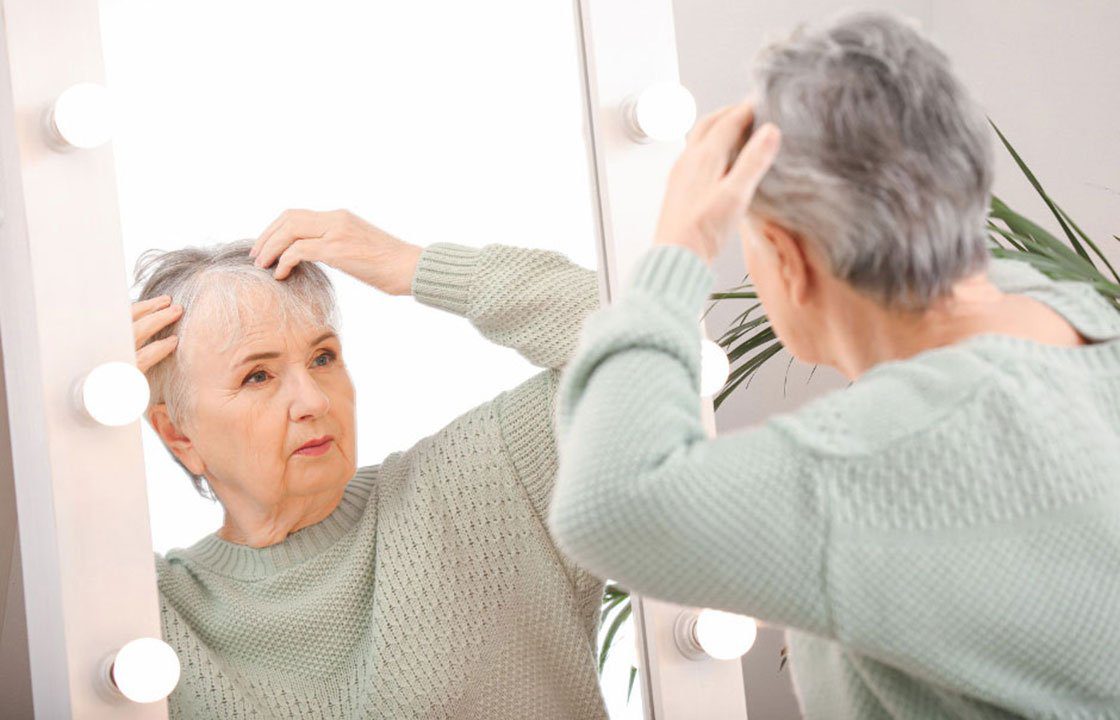
Hair loss can be distressing — affecting not only how you look, but also your confidence and wellbeing. At Geelong & Surfcoast Skin, we offer expert hair loss treatments to patients in Geelong, the Surfcoast, Bellarine and surrounds combining medical expertise with a personalised approach to help restore your hair and confidence.

We start by identifying why your hair loss is happening — because the right diagnosis leads to the most effective treatment.


What Causes Hair Loss?

Hair loss has many possible causes, and understanding the underlying reason is the key to successful treatment. Common causes include:

  • Genetic Hair Loss (Androgenetic Alopecia): The most common cause of hair loss in both men and women. It’s usually gradual and patterned.
  • Hormonal Changes: Pregnancy, menopause, PCOS, and thyroid imbalances can all impact hair growth.
  • Nutritional Deficiencies: Low levels of iron, vitamin D, B12, or protein can weaken hair and slow growth.
  • Stress and Illness: Physical or emotional stress, illness, or surgery can trigger temporary shedding (telogen effluvium).
  • Medications: Certain blood pressure, cholesterol, and mental health medications can contribute to hair loss.
  • Scalp Conditions: Autoimmune or inflammatory conditions such as alopecia areata or psoriasis.
Female hair loss

Hair Loss treatment

How Common Is Hair Loss?

  • Men: Up to 50% will experience some degree of male pattern baldness by age 50.
  • Women: Around 40% notice significant hair thinning by age 40.
  • Telogen Effluvium: One of the most common causes of sudden shedding after illness or stress.

Investigating Hair Loss – The Role of Blood Tests

Before beginning hair loss treatment at our Geelong clinic, we recommend blood tests to check nutritional and hormonal status. This ensures the building blocks for healthy hair are present and highlights any correctable causes.

We commonly assess:

  • Iron studies and ferritin
  • Vitamin D
  • Vitamin B12
  • Thyroid function
  • Hormone levels (and other tests if indicated)

Hair Loss Treatment Options in Geelong & the Surfcoast

At Geelong & Surfcoast Skin, our treatments are tailored to your individual needs. Common options include:

1. Topical Minoxidil

  • Improves scalp blood flow and extends the growth phase of hair.
  • Available over-the-counter or on prescription.
  • Visible results often appear after 3–6 months of consistent use.

2. Oral Minoxidil

  • Low-dose tablet form, ideal if topical treatments are not effective or tolerated.
  • Requires medical assessment and monitoring.
  • Results usually appear within 3–6 months and may be combined with other therapies.

3. Platelet-Rich Plasma (PRP) Hair Restoration

  • A natural treatment using your own blood to stimulate hair follicles.
  • Best for early hair loss or as part of a combination approach.
  • Typically involves three sessions a month apart, with maintenance every 3–6 months.

4. Supplements for Hair Growth

  • Recommended when deficiencies are identified or as supportive therapy.
  • Common examples include iron, zinc, and vitamin D.

How Successful Are Hair Loss Treatments?

  • Topical Minoxidil: 40–60% of patients notice slowed hair loss or regrowth.
  • Oral Minoxidil: Often effective when topical treatments haven’t worked.
  • PRP Hair Treatment: Up to 70% report improvement, particularly with combination therapy.
  • Supplements: Effective when correcting deficiencies, but rarely enough alone.

Combination approaches generally produce the best results.


What Happens If You Stop Treatment?

Most hair loss treatments manage the condition rather than cure it permanently. Stopping treatment can lead to a gradual return of hair loss:

  • Minoxidil: Gains may reverse within 3–6 months.
  • PRP: Without maintenance, results fade over time.
  • Supplements: If deficiencies return, hair quality can decline again.

That’s why we encourage seeing hair restoration as a long-term plan, not a short-term fix.


The Bottom Line

Hair loss is best treated early, with a thorough investigation and a personalised plan. At Geelong & Surfcoast Skin, we’re here to support you with honest, evidence-based options for hair loss treatment in patients from Geelong, the Surfcoast, Bellarine and surrounds.

Breakouts, Blackheads & Beyond: Understanding Acne at Every Age

Acne isn’t just a teenage problem—it’s one of the most common skin concerns we see across all ages, from adolescence through to adulthood. At Geelong & Surfcoast Skin, we understand that acne is more than skin deep. It can affect your confidence, social life, and emotional wellbeing. The good news? There’s more we can do now than ever before.

What Is Acne, Really?

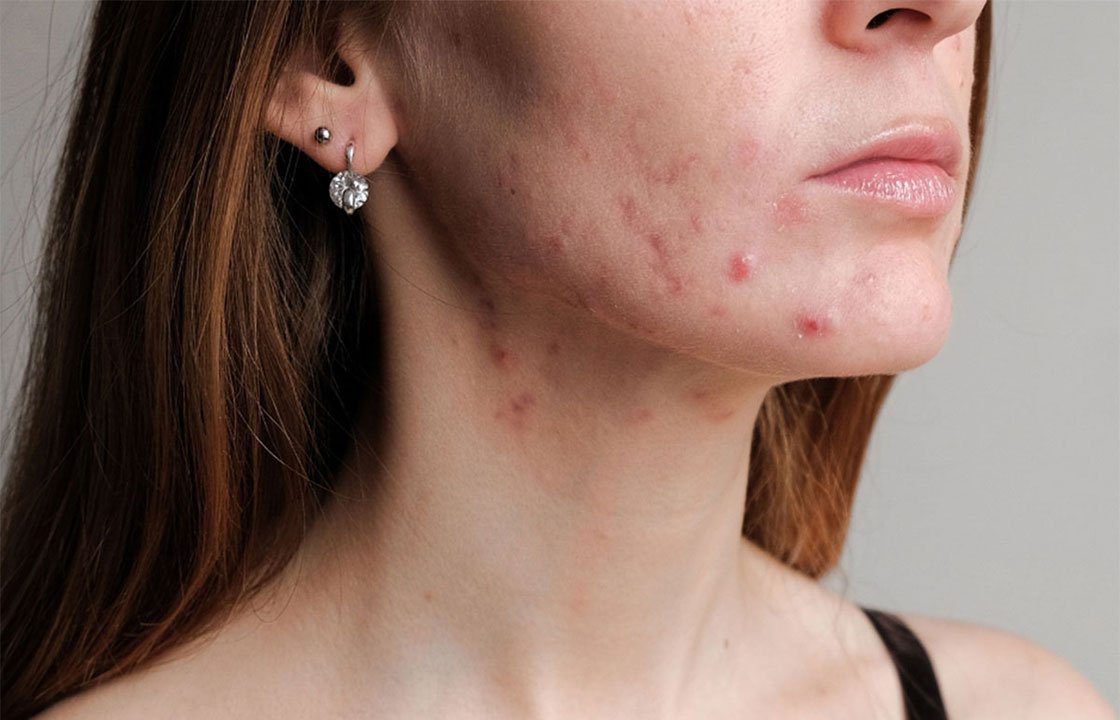
Acne is a complex skin condition that involves blocked pores, excess oil production, inflammation, and often a touch of hormonal chaos. You might see it as whiteheads, blackheads, painful cysts, or inflamed red bumps. While it commonly affects the face, it’s also found on the back, chest, and shoulders.

Why Do I Still Have Acne in My 30s (or 40s)?

Adult acne is real—and frustrating. Hormonal shifts, stress, skincare habits, medications, and even gut health can all play a role. Many women experience flare-ups around their cycle, during perimenopause, or after coming off hormonal contraception.

At Geelong & Surfcoast Skin, we look beyond the surface. We explore your skin’s history, lifestyle, and triggers to personalise a plan that works with your body, not against it.

Treatment That’s More Than Skin Deep

We don’t believe in a one-size-fits-all solution. Our approach to acne includes:

  • Advanced clinical treatments like medical-grade peels, LED light therapy, and microneedling
  • Prescription-strength skincare to support and rebalance your skin barrier
  • Expert medical oversight from doctors with a special interest in acne
  • Hormonal support, if appropriate
  • And most importantly, realistic, honest guidance that supports long-term skin health

Scarring? Don’t Panic.

Even if your breakouts have settled, acne scarring can linger. We offer treatments like collagen induction therapy and clinical resurfacing to help restore smoother, healthier-looking skin over time.

Let’s Talk Skin

Whether your skin is flaring for the first time or you’ve tried “everything,” we’re here to help. Our team includes highly experienced doctors, a dermal clinician and a cosmetic nurse, working together to treat acne from the inside out.

Book a consultation with our dermal clinician and start your journey towards clearer, calmer skin—because you deserve to feel good in your own skin at every age.