


Demodex mites are microscopic organisms that naturally live on human skin. In most people, they cause no symptoms at all. However, when Demodex populations increase, irritation and inflammation may develop. This process has been associated with rosacea, facial redness and some inflammatory skin conditions.
These mites are commonly found around the cheeks, nose, forehead, eyelashes and eyebrows. They live within hair follicles and sebaceous glands, where skin oils are present.
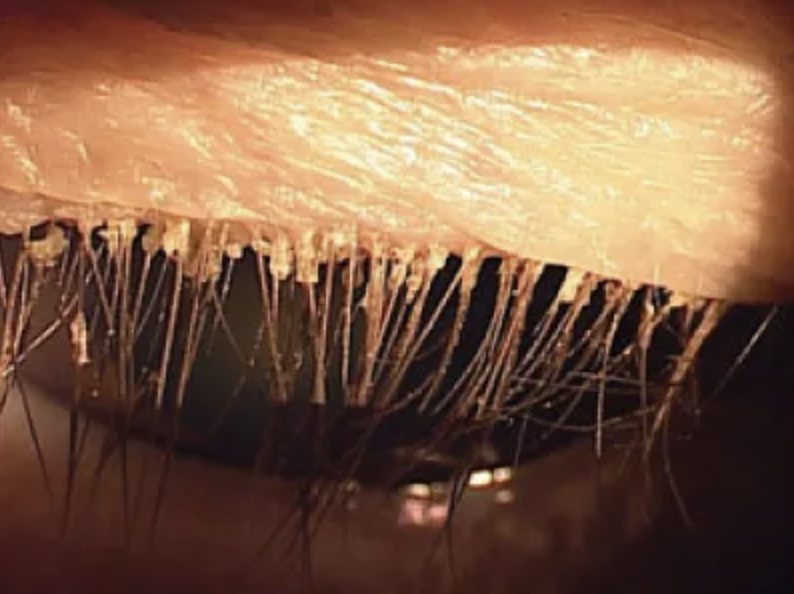
What Are Demodex Mites?
Two types of Demodex mites are usually found on humans:
- Demodex folliculorum
- Demodex brevis
Most adults carry these mites naturally. Their presence alone does not mean disease is present. Problems may occur when the skin barrier becomes disrupted or inflammation develops.
Research has suggested that higher numbers of Demodex mites are found in people with rosacea compared with unaffected skin.
Symptoms That May Be Associated With Demodex
Skin symptoms linked to Demodex overgrowth can include:
- Persistent facial redness
- Flushing
- Burning or stinging skin
- Acne-like bumps
- Rough or dry skin texture
- Itching
- Sensitive skin
- Eyelid irritation or crusting
Symptoms are often worse on the central face. The cheeks and nose are commonly affected.
Some people also develop irritation around the eyes. Demodex mites within eyelash follicles may contribute to inflammation in ocular rosacea and blepharitis.
The Link Between Demodex and Rosacea
Rosacea is a chronic inflammatory skin condition characterised by facial redness, flushing and visible blood vessels. Papules and pustules may also occur.
The exact cause of rosacea remains complex. Genetics, vascular sensitivity, inflammation, immune responses and environmental triggers are all thought to contribute.
Demodex mites are increasingly recognised as one possible contributing factor. Studies have demonstrated significantly increased mite density in patients with rosacea.
A growing body of evidence suggests that mites, along with bacteria associated with them, may trigger inflammatory pathways in susceptible skin.
For more information about rosacea symptoms and treatment approaches, visit our Rosacea and Facial Redness Treatments. DermNet Rosacea Overview
How Demodex-Related Skin Problems Are Diagnosed
Diagnosis is usually made through clinical assessment. The appearance and pattern of symptoms are often evaluated carefully.
Your practitioner may assess:
- Redness patterns
- Flushing triggers
- Skin sensitivity
- Acne-like eruptions
- Eyelid inflammation
- Previous treatment response
Microscopic testing may occasionally be performed, although this is not always necessary.
Treatment Approaches
Management depends on the severity of inflammation and the underlying skin condition. A combination approach is often required.
Medical Treatments
Prescription therapies may sometimes be used to reduce inflammation and control mite overgrowth. Certain topical and oral medications have demonstrated benefit in inflammatory demodicosis and rosacea-associated Demodex proliferation.
Laser and Light-Based Treatments
Persistent redness and visible blood vessels may continue even when inflammation improves.
At Geelong & Surfcoast Skin, vascular laser treatments are used to target redness, flushing and facial vessels associated with rosacea-prone skin.
Learn more about our Excel V+ Laser Treatments.
Supporting the Skin Barrier
Over-cleansing, exfoliation and harsh skincare can aggravate already inflamed skin. Gentle skincare and barrier support are usually recommended.
Simple skincare routines are often better tolerated by sensitive skin.
You may also find our guide to Sensitive Skin Treatments helpful.
When Should You Seek Assessment?
Ongoing redness, irritation or sensitive skin should not simply be ignored. Rosacea and Demodex-related inflammation can become more persistent over time.
Assessment may help identify contributing factors and guide appropriate management.
For evidence-based information about Demodex and rosacea, visit: